New parents often worry about keeping their little ones just right. Is the baby too hot? Too cold? Babies can’t adjust their body heat like grown-ups do. Their small bodies lose warmth fast, which raises risks of chills or overheating. This guide shows you how to dress babies in different seasons. You’ll learn simple layering tricks, fabric picks, and safety tips for every weather shift. From winter cozies to summer cools, get ready to keep your infant comfy and safe.
The Foundational Principles of Baby Dressing
Start with basics that work all year. These rules help no matter the season. They build a strong base for dressing your baby right.
The “One More Layer” Rule of Thumb
Dress your baby in one extra layer than you wear. This keeps them warm without sweat. Babies have less skin area compared to their weight, so they chill quicker.
Check if it’s right by touching the back of their neck or chest. It should feel warm, not hot or clammy. Skip the hands and feet—they stay cool longer and don’t tell the full story.
You can adjust fast this way. If the room warms up, peel off a layer. This rule saves guesswork on cold mornings or mild days.
Understanding Newborn vs. Older Infant Needs
Newborns need more help with warmth in their first weeks. Their skin is thin, and they can’t shiver to heat up. Wrap them snug, but watch for signs like fussing from too much.
Older babies, around six months, move more and regulate better. They might kick off blankets, so lighter layers fit them. Preemies face extra risks—talk to your doctor for custom advice.
Both ages benefit from close checks. Feel their tummy often. This spots issues early and keeps everyone calm.
Fabric Choices: Natural Fibers vs. Synthetics
Pick breathable fabrics like cotton or bamboo for daily wear. They let air flow and pull away moisture. Merino wool works well for chillier times—it’s soft and stays dry.
Stay away from polyester if you can. It traps heat and can make skin irritate. Natural picks feel gentle on tiny bodies.
Test fabrics on a small spot first. Some babies react to dyes. Good choices last through washes and seasons.
Dressing Your Baby for Cold Weather (Autumn and Winter)
Winter brings frost and wind that bite. Focus on trapping heat while letting skin breathe. Avoid bulky outfits that block movement or cause sweat.
Mastering the Layering System for Winter
Build outfits in three parts. Start with a base like a thermal onesie that wicks sweat away. Add a middle fleece or thick cotton for trap heat.
Top it with a windproof jacket or sweater. For example, try wool blends from brands like Carter’s for the middle layer. Keep it simple so you can add or remove as needed.
This setup works indoors and out. In a drafty home, two layers might do. Outdoors, go full three for short trips.
Essential Gear for Outdoor Winter Adventures
Gear up beyond clothes for snowy walks. Snowsuits keep out wet, but pick ones with hoods that cover ears. Mittens and booties stop frost from toes—look for fleece-lined options.
Hats are key; they block 80% of heat loss from the head. For strollers, use insulated covers over legs. Footwear like soft boots fits over socks without squeezing.
Safety first: Never put a thick coat in the car seat. It loosens the straps and risks injury in crashes. Use a blanket over the harness instead.
Winter Sleep Safety: Temperature-Appropriate Bedding
Aim for a nursery at 68 to 72 degrees Fahrenheit. Dress for that with footed pajamas or a light sweater. Skip loose blankets—they can cover the face.
Sleep sacks are your friend. Pick ones with low TOG ratings, like 0.5 to 1.0 for mild cold. They hug without risk.
Watch for cold signals like pale skin. Adjust layers before bed. This ensures deep, safe sleep through the night.
Dressing Your Baby for Warm Weather (Spring and Summer)
Heat waves demand light touches. The goal? Stop sunburn and keep sweat at bay. Babies overheat fast, leading to cranky days or worse.
Lightweight Fabrics and Sun Protection Essentials
Go for linen or muslin cotton that drapes loose. These let breezes cool the skin. UPF 50+ clothes block rays without heavy creams.
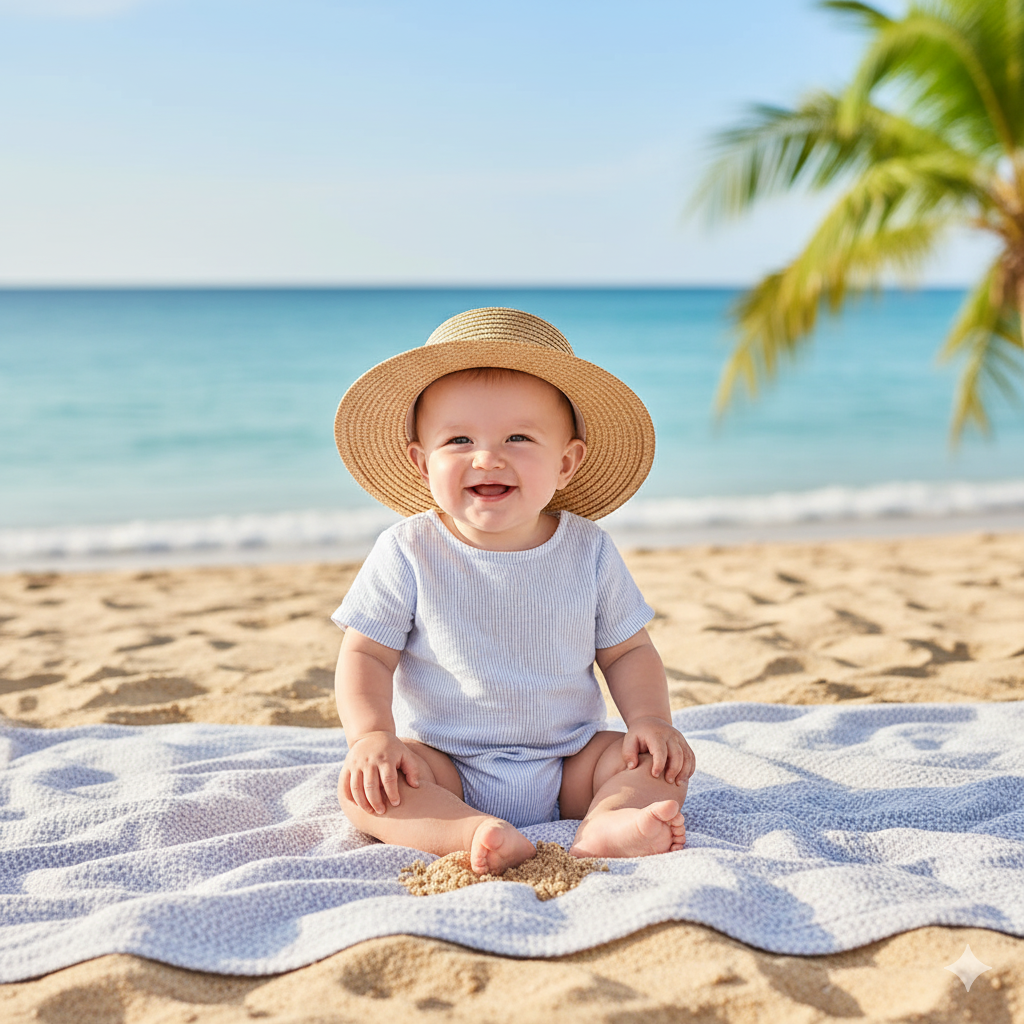
Wide hats shade faces—think floppy styles with ties. Stroller shades or UV glasses add layers of guard. Apply sunscreen on exposed spots, but test for allergies first.
In full sun, limit time outside to mornings. This combo keeps baby playful and protected.
Navigating Temperature Swings in Spring
Spring flips from chill to warm quick. Start with a long-sleeve onesie under a cardigan. Peel off as the sun climbs.
For stroller rides, pack a light blanket. Mornings might need sleeves; afternoons call for bare arms. Check weather apps for shifts.
Layer zippers make changes easy. No fuss means more fun outings. Adapt like this, and you’ll handle any surprise cool down.
Keeping Baby Cool and Dry During Peak Heat
Spot overheating by red cheeks or damp hair. Dress in just a diaper indoors if it’s over 80 degrees. Outside, a thin top and shorts work in shade.
High humidity sticks clothes—pick quick-dry fabrics. Offer extra feeds to fight dehydration. Fans help air move without direct blasts.
Rest in cool spots often. Signs like rapid breathing mean act now: Strip a layer and cool down. This keeps summers smooth.
Seasonal Gear Checklist and Maintenance
Round up what you need without overload. Smart picks save space and cash. Care keeps items fresh for next year.
Creating a Seasonal Capsule Wardrobe for Infants
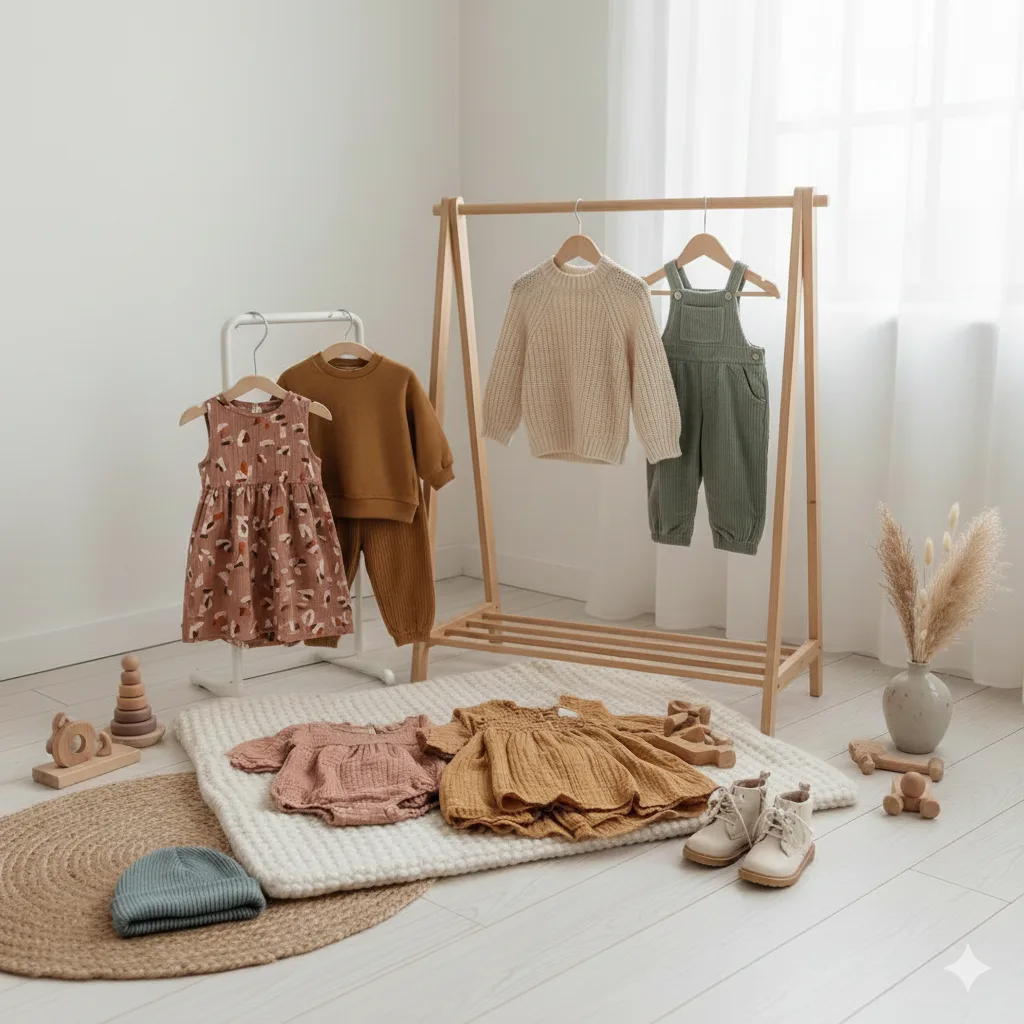
Build a small set that mixes and matches. For winter: 5-7 onesies, 3 sleepers, 2 snowsuits, hats, and mittens. Summer needs 7 light tops, 5 shorts, swimsuits, and sun hats.
Focus on neutrals for hand-me-downs. One good sleep sack per season covers nights. Track growth—rotate out tight fits monthly.
This list cuts clutter. You end up with versatile pieces for daily use.
Washing and Storing Seasonal Baby Clothes Effectively
Wash cottons often in cool water with mild soap. Wool needs hand wash or delicates to keep shape. Dry in shade to hold colors.
For storage, fold off-season items in bins with cedar blocks against moths. Label by size and type. Vacuum seal for space if needed.
Spot clean stains right away. This extends wear and keeps fabrics soft. Proper care means less buying.

Travel Dressing: Adapting to Different Climates
Pack multi-use items like zip onesies that work cold or warm. Roll them tight for bags. Include a light jacket for plane chills.
For cold-to-warm trips, layer basics. Carry a sleep sack that folds small. Check hotel temps ahead.
Mix in local buys if stuck. This way, you adapt fast without bulk.
Conclusion: Confident Dressing for Every Climate
Dressing babies in different seasons comes down to watch and tweak. Use the one-more-layer rule, pick smart fabrics, and layer for changes. Safety stays key—from car seat no-nos to sleep sack yeses.
You’ve got tools now for winter warmth, summer shade, and spring swings. Trust your touch on that neck check. With these steps, you’ll keep your baby cozy year-round. Start today—grab that checklist and build your wardrobe. Your little one will thank you with smiles.