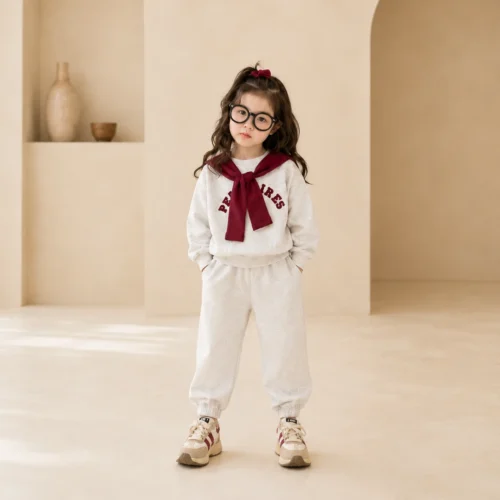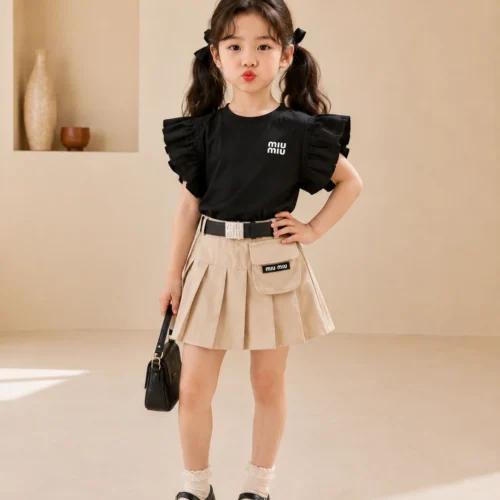
Kids spend most of their day wrapped in clothes. From playtime romps to bedtime snuggles, that fabric touches their skin non-stop. You might not think twice about it, but the choice between synthetic and organic materials can affect their comfort, skin health, and even the planet they grow up on.
Synthetic fabrics dominate store shelves these days. They’re cheap and tough. Yet organic options are gaining fans among parents who worry about chemicals and allergies in kids’ wear. What’s organic? It means textiles from plants grown without harsh pesticides or GMOs, often certified by groups like GOTS for strict standards. Synthetics, like polyester or nylon, come from oil and plastic processes. This guide weighs both sides so you can pick what’s right for your child’s wardrobe.
Understanding Synthetic Fabrics: Comfort, Durability, and Concerns
Synthetic fabrics rule kids’ clothing for good reasons. They hold up to rough play and wash after wash. But hidden downsides lurk, from skin irritations to big environmental hits. Let’s break it down.
Polyester, Nylon, and Acrylic: The Modern Staples
Polyester starts as petroleum, turned into fibers through chemical reactions. Nylon and acrylic follow similar paths, all born from oil. These petroleum-based textiles shine in fast fashion lines, where low prices draw busy parents.
They resist wrinkles, so outfits stay neat without ironing. Drying happens fast after spills or baths, perfect for active toddlers. Plus, they’re often blended into synthetic children’s clothing for stretch and shape. Think of that durable school uniform or play shorts that bounce back from tumbles.
Affordability keeps them popular. A polyester t-shirt costs half as much as cotton ones. Yet, that quick fix might mean replacing items sooner due to pilling or fading.
Chemical Load and Skin Sensitivity in Synthetics
Factories treat synthetics with dyes, flame retardants, and stiffeners to make them colorful and safe. These clothing chemicals kids wear can leach out, especially when fabrics get damp from sweat. Studies link them to skin woes like eczema or contact dermatitis in children.
One report from the Environmental Working Group found flame retardants in kids’ pajamas that migrate to skin. Allergies spike too; synthetic fabric allergies affect up to 20% of kids with sensitive skin. Imagine your little one scratching through dinner because of hidden irritants.
Heat and friction worsen it. Synthetics trap moisture against the body, breeding rashes. Parents report fewer breakouts when switching away from these.
The Environmental Cost of Synthetic Textiles
Synthetics don’t break down easy. They pile up in landfills for hundreds of years, unlike natural fibers. Washing them sheds microplastics into water, harming fish and rivers.
Each year, billions of pounds of these fibers enter oceans. Fast fashion amps this up, with cheap synthetic kids’ clothes tossed after one season. Landfill space shrinks, and pollution spreads.
Think of the cycle: oil drilling scars earth, factories spew waste, and your child’s old shirt lingers forever. It’s a heavy toll for everyday wear.
The Rise of Organic Fabrics: Purity and Performance
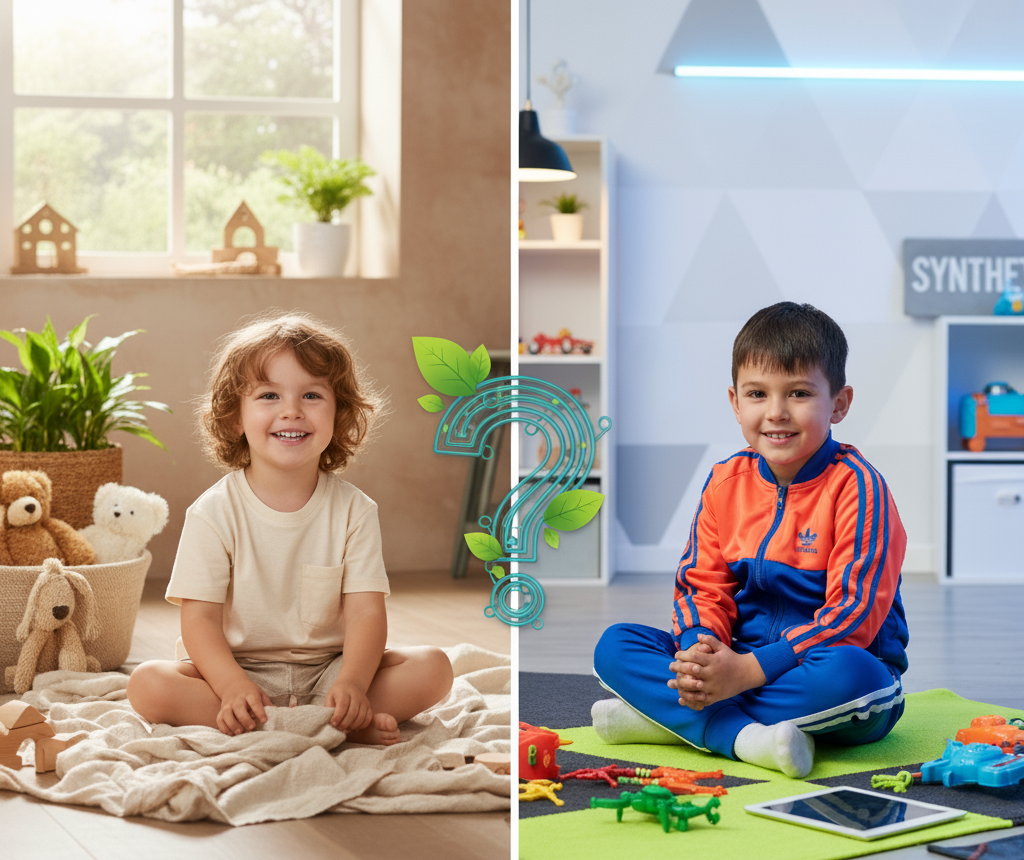
Organic fabrics promise cleaner choices for your kids. Grown with care, they skip toxic inputs. Parents turn to them for health and eco perks, and they hold their own in daily use.
Defining Organic Cotton, Hemp, and Bamboo (Viscose vs. Lyocell)
Organic cotton comes from fields free of synthetic pesticides and GMOs. Certifications like GOTS or OCS check the whole chain, from farm to factory. Hemp and bamboo join in, but watch the process—viscose from bamboo uses chemicals, while lyocell keeps it gentle.
Pesticide-free cotton avoids the 16% of global insecticides dumped on regular crops. Truly organic textiles mean no surprises in dyes or finishes either. Look for labels that prove it, not just “natural” tags.
These fibers support healthier farms. Farmers use crop rotation and natural pest controls, building soil over time. Your purchase helps that loop.
Hypoallergenic Qualities and Breathability
Organic fibers suit sensitive skin best. Without chemical residues, they cut allergy risks and soothe conditions like baby acne. Breathability lets air flow, keeping kids cool and dry.
Untreated cotton wicks moisture better than synthetics for most play. It prevents overheating in cribs, lowering SIDS-linked sweat buildup. For infants, this means fewer rashes and better sleep.
Test it yourself: Hold the fabric to light. If you see through it easy, air passes well. Parents swear by organic basics for fuss-free days.
- Choose GOTS certified for top safety.
- Pair with gentle soaps to keep benefits intact.
- Watch for bamboo lyocell—it’s soft and eco-smart.
Durability and Investment Value of High-Quality Organics
People say organics wear out fast, but that’s a myth. Less chemical tweaking keeps fibers strong, so clothes last longer. A well-made organic tee outlives cheap polyester ones by seasons.
Brands like Patagonia or Burt’s Bees make kids’ basics that endure growth spurts. Higher upfront cost? Sure, but cost per wear drops. One study showed organic cotton holds color 30% better after washes.
Invest in pieces like pajamas or undies—they touch skin most. Co-ops offer affordable options too. Over time, you save on replacements and doctor visits for irritations.
Performance Comparison: Heat, Moisture, and Wear
How do these fabrics act in real life? Kids run hot and cold, spill often, and grow quick. Let’s compare on key fronts to see what fits your routine.
Temperature Regulation: Staying Cool vs. Staying Warm
Organic cotton and wool adjust to body heat naturally. Cotton breathes for summer play, while wool insulates in winter without bulk. Synthetics like polyester trap warmth, leading to sweaty nights.
For sleepwear, breathable baby clothes from organics prevent overheating. Activewear? Wool blends shine for hikes, unlike polyester that clings damp. Kids in natural fibers stay comfy longer.
Rhetorical question: Why let your child overheat in plastic-like shirts when cotton flows air free? Switch for better rest.
Moisture Management: Wicking and Absorption
Organic cotton absorbs sweat, pulling it from skin to evaporate. Synthetics wick it across fibers for sports, but everyday? Absorption wins for playdates. Cotton dries slower, yet feels drier inside.
Data shows polyester wicks 20% faster, great for rain gear. But for school, organic handles spills without sticking. Bamboo lyocell blends both worlds—absorbs and dries quick.
Pick based on use: Synthetics for swim trunks, organics for daily tees. No one-size-fits-all here.
Stain Resistance and Ease of Care
Synthetics shrug off dirt better; stains wipe off easy. They dry in hours, ideal for muddy adventures. Organics absorb more, so treat spots quick.
Launder organics right: Use cold water and natural removers like baking soda. Skip dryer heat to keep shape. Vinegar rinses boost softness over time.
- Spot clean organics with lemon juice for fruits.
- Air dry to extend life.
- Synthetics? Toss in hot for kills germs fast.
Both work, but organics reward gentle care with lasting softness.
Ethical and Economic Considerations for Parents
Beyond feel and fit, think bigger. Choices impact workers, wallets, and waste. Parents juggle budgets while eyeing ethics—here’s how to navigate.
The True Cost: Price Point Analysis
Fast-fashion synthetics start at $5 a shirt. Organics? Often $15-20. But figure cost-per-wear: Synthetics pill after 20 washes, organics hit 50+.
A $20 organic hoodie lasts two kids’ seasons, dropping to $5 per use. Synthetics? Replace yearly, totaling more. Ethical sourcing adds fair wages, cutting hidden costs like pollution cleanup.
Budget tip: Buy organic for essentials, mix synthetics for extras. Sales on certified lines help too.
Lifecycle and End-of-Life Options
Organics biodegrade in months if composted right. Cotton breaks down in soil, feeding earth. Synthetics? Centuries in dumps, releasing toxins slow.
Recycling grows: Programs take old synthetics for new yarn, though only 1% gets reused now. Organics join too via co-ops. Donate wearable pieces to extend life.
Choose brands with take-back schemes. It closes the loop, teaching kids about care for their world.
Conclusion: Making the Healthiest Choice for Your Child’s Wardrobe
Synthetics offer quick-dry ease and low prices, ideal for rough-and-tumble gear. Organics bring skin-safe purity and green benefits, shining for daily wear. Both have spots, but organics edge out for health.
Go hybrid: Organic for pajamas and undies to guard sensitive areas. Use durable synthetics only for sports if needed. Prioritize GOTS certified items closest to skin—they cut irritations and support farms.
Your child’s comfort starts with smart picks. Check labels next shop, test fabrics, and build a wardrobe that lasts. What change will you make first?