The Ultimate Guide to Seasonal Dressing for Kids: What to Wear in Every Weather
Parents often face a tough puzzle each day. How do you dress your child for weather that shifts from chill to sun in hours? You want them comfy, safe, and ready to play without a meltdown from soggy socks or too-hot layers.
This guide helps you nail kid’s weather-appropriate clothing. We cover layering basics and tips for each season. You’ll learn how to pick fabrics that fight sweat or cold. By the end, you’ll dress your little ones with ease, no matter the forecast.
Foundational Principles of Dressing for the Elements
Smart choices start with rules that work all year. These basics keep kids dry and at the right temp. They make daily outfits simple and effective.
The Power of Layering: Base, Mid, and Outer Layers
Layering lets you add or remove clothes as the day warms up. The base layer pulls sweat from skin. It stays close like a second skin.
Pick merino wool for the base. It wicks moisture better than cotton, which clings when wet. For mid layers, use fleece to trap heat without bulk.
Outer layers shield from wind or rain. Go for nylon shells that block gusts. Test by adding layers until your child moves free.
- Base: Quick-dry fabrics like bamboo blends.
- Mid: Soft insulators such as synthetic puffers.
- Outer: Sealed seams for full protection.
This system adapts to surprise showers. Your kid stays active, not fussy.
Fabric Focus: Natural Fibers vs. Synthetics for Performance
Cotton feels soft but soaks up water like a sponge. It chills kids in cool air. Save it for lazy indoor days.
Synthetics like polyester dry fast and breathe well. They shine in active play. Wool regulates temp naturally, warm in cold or cool in mild heat.
Choose wool for hikes; it’s itch-free in fine weaves. Synthetics work for sports since they don’t hold smells. Mix them based on the plan.
Pros of wool: It fights odors and lasts long. Cons: Higher price tag. Synthetics cost less but may pill over time.
Think of fabrics as tools. Pick the right one to match your child’s day.
Size and Fit Matters for Safety and Comfort
Loose fits let kids run without trips. Too tight clothes cut blood flow and cause rubs. Always check arm and leg room.
For snow days, size up outer gear. It fits over thick layers without strain. Watch for strings that could snag and choke.
Measure your child often as they grow fast. A snug base avoids bunching. Comfort means more outdoor fun.
Bulky fits can overheat fast. Test by having them jump. If they sweat too soon, swap for slimmer options.
Safe fits prevent accidents. Your child explores bold when clothes work right.
Spring and Fall: Navigating the Temperature Swings
These seasons mix chill mornings with warm afternoons. Kids need outfits that shift easy. Pack extras in the bag for quick changes.
Spring Showers: Waterproofing Without the Weight
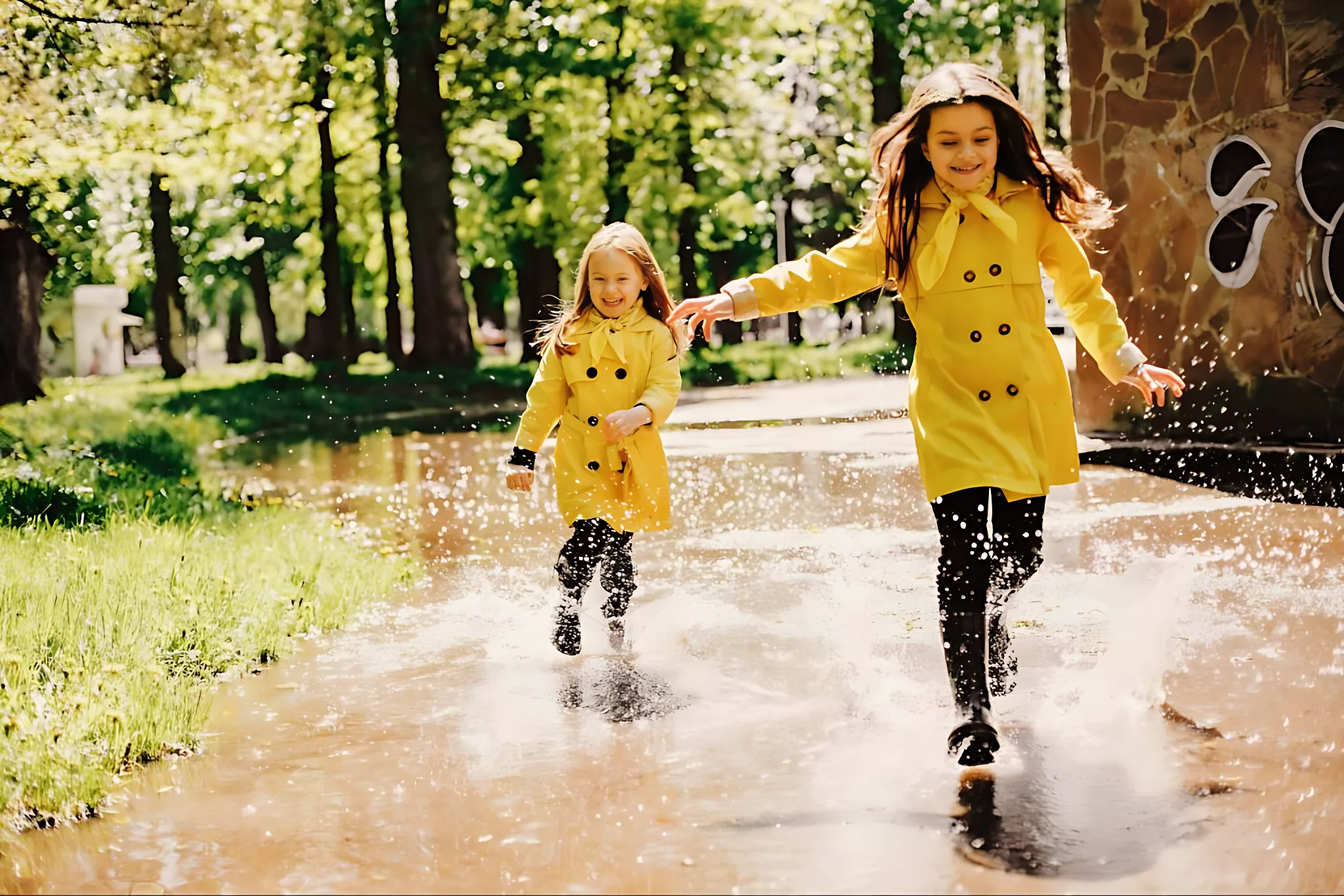
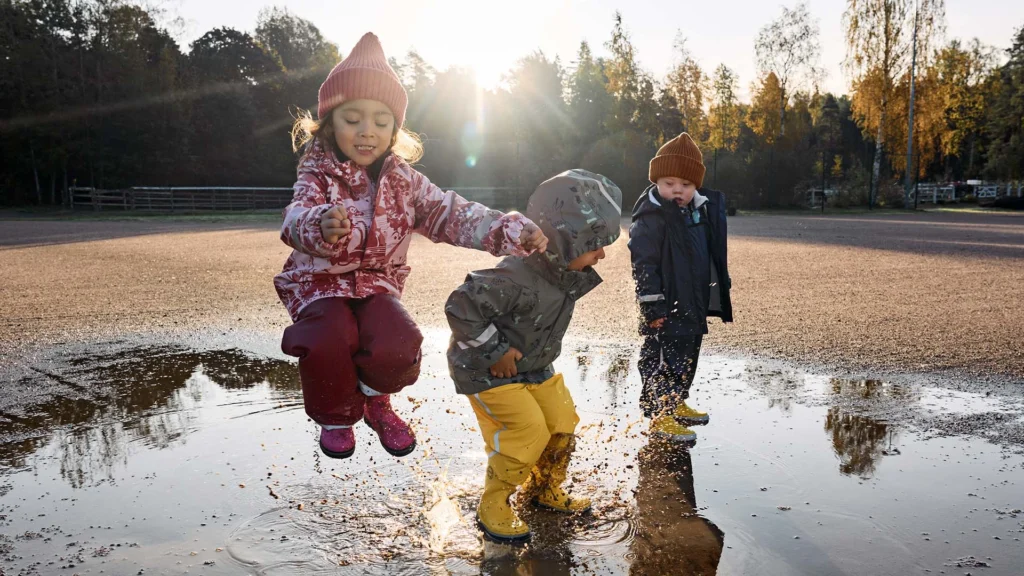
Rain hits quick in spring. Light jackets pack small in backpacks. They keep kids dry without sweat.
Look for breathable waterproofs like those with taped seams. Gore-Tex types let vapor out but block water. Aim for 5,000mm ratings for light rain.
Pants in nylon resist puddles. Add gaiters to seal boots. Dry gear fast so play goes on.
- Pack a poncho for sudden downpours.
- Check labels for machine-wash ease.
- Avoid heavy coats that tire small legs.
Kids splash more when protected. Fun beats soggy blues.
Fall Flannels and Fleeces: The Mid-Weight Essential
Cool air calls for cozy mid layers. Zip hoodies slip on over tees. They tie around waists when sun warms things.
Flannel shirts add style and warmth. Fleeces wick light sweat from play. Pick pullovers for quick cover.
Layer with long-sleeve bases for wind. These pieces mix for school or park time. Versatility saves closet space.
Why zippers? They vent heat fast. Your child stays just right all day.
Shoe Strategy: Dealing with Mud and Damp Ground
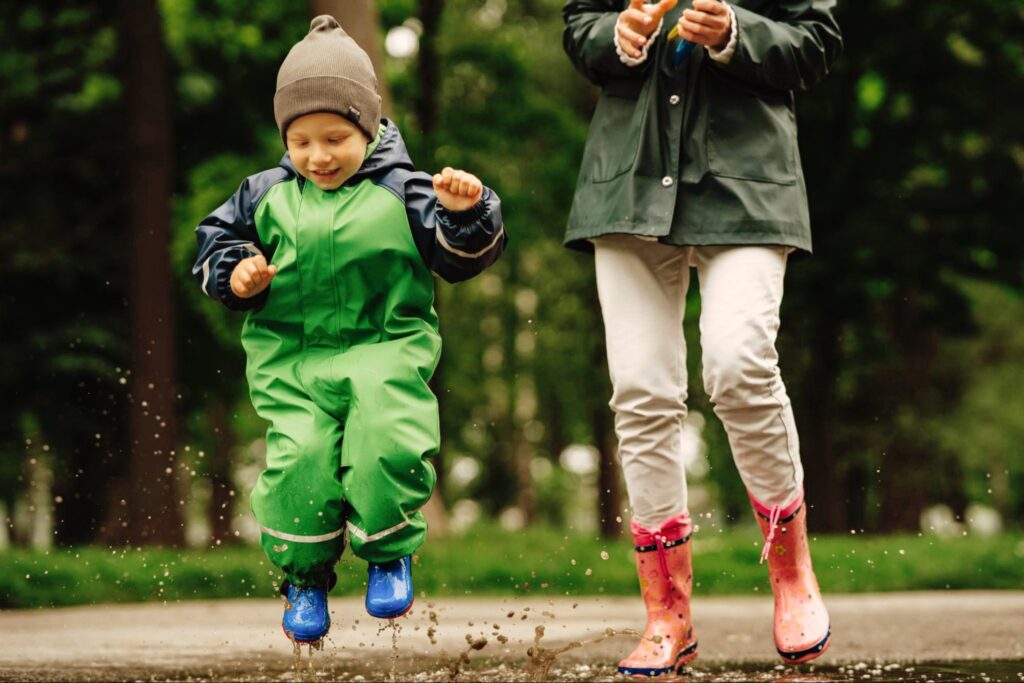
Wet ground means muddy messes. Rubber boots clean easy after puddles. They grip slick spots well.
Treated leather sneakers handle light damp. Pair with wool-blend socks that dry quick. Avoid cotton ones that squish.
For longer walks, choose boots with cushioned insoles. Check toes for room to wiggle. Dry feet prevent blisters.
- Wool socks: Warm even wet.
- Boot cleaners: Keep gear fresh.
- Grip soles: Stop slips on leaves.
Right shoes let kids charge through fall fun.
Summer Survival: Beating the Heat and Sun Exposure
Hot days bring sweat and burns. Focus on light clothes that shield. Active kids need gear for endless play.
Lightweight Fabrics: Breathability is Non-Negotiable
Thin weaves keep air flowing. Linen shirts flap cool in breeze. Light cotton works if it’s loose.
Moisture-wicking synthetics pull sweat away. They dry in minutes after water fights. Stick to pale shades that bounce sun rays.
Why breathable? It stops sticky discomfort. Your child laughs more without itch.
Pack roll-up pants for variable shade. These fabrics let skin breathe free.
Sun Protection: Clothing as the First Line of Defense
UPF clothes block rays better than lotion alone. Rash guards cover arms in swim time. Sun shirts with long sleeves protect necks.
Wide-brim hats shade faces full. Pick ones with ties for windy beaches. Sunglasses with UV filters guard eyes.
Studies show UPF 50+ cuts burn risk by 98%. Layer with hats for full cover. Reapply lotion on exposed spots.
Choose bright colors for spot-ability in crowds. Safe skin means longer outdoor joy.
Footwear for Hot Pavement and Water Play
Sandals with straps hold during runs. They let feet air out. Avoid flimsy flips on rough paths.
Water shoes dry quick after streams. Thick soles guard against hot concrete. Test by pressing; it should not dent skin.
Bare feet burn fast on pavement. Stats say hot asphalt hits 140°F. Opt for shoes with vents.
- Grip sandals for pool edges.
- Neoprene for water grip.
- Shade breaks for tiny toes.
Cool feet fuel summer adventures.
Preparing for the Unexpected: Travel and Emergency Kits
Weather flips fast on trips. Prep kits save the day. Versatile gear handles surprises.
The “Just In Case” Travel Capsule Wardrobe
Pack base layers that layer up or down. Thermal undies fold small for cold snaps. Multi-use scarves shield necks or act as blankets.
Choose neutral colors that mix easy. Add a light rain shell for storms. This setup covers beach to mountains.
Keep a small bag with extras. It weighs light but packs power. Ready kids mean stress-free trips.
Seasonal Gear Maintenance and Storage
Wash waterproofs right to keep coatings strong. Air dry fleeces away from heat. Check for tears before stow.
Store in cool, dry spots to dodge mildew. Wool needs moth balls or cedar. Clean boots inside out.
Checklist:
- Inspect zippers and seams.
- Wash per label care.
- Fold flat, not crammed.
Fresh gear lasts longer. Prep now for next season’s ease.
Winter Warriors: Staying Warm and Dry in Cold Weather
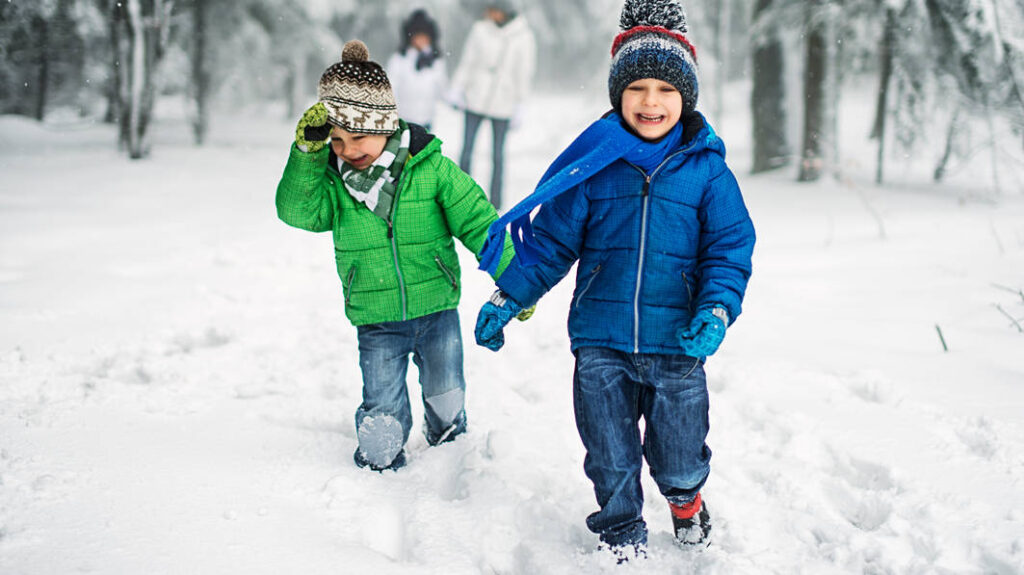
Freezing temps demand smart layers. Focus on trapping heat and blocking chill. Safety first in snow and wind.
The Insulating Core: Keeping Heat In
Mid layers hug to hold warmth. Fleece jackets zip easy over bases. They trap air like a hug.
Puffers with down fill lightweight warm. Heavy wool sweaters suit indoor-out transitions. Skip cotton bases; it freezes when wet.
The rule: No cotton in deep cold. It steals body heat fast. Fleece or wool keeps core toasty.
Layer thick for sub-zero play. Check if your child stays pink-cheeked, not blue.
Outer Shell Mastery: Windproof and Waterproof Protection
Shells fight wind like a wall. Parkas with hoods cover full. Snow pants seal legs from drifts.
Look for 10,000mm waterproof ratings. Down jackets rate by fill power; higher means better warmth. Pit zips vent steam.
Durable nylon lasts seasons of romps. Seal cuffs to block snow sneak-ins. Dry inside means happy kids.
Test in wind; it should flap little. Protection lets them build forts long.
Conclusion: Dressing Kids Confidently Through Every Season
Layering bends to weather’s whims. Smart fabrics handle moisture like pros. These tips arm you for any forecast.
Watch your child’s cues. Shivers mean add warmth; sweat says strip a layer. Trust their signals over the app.
Dress right, and kids thrive outdoors. Grab these ideas, build your kit, and watch them play free.